Cat Teeth Care: Expert Tips for Oakwood Pet Owners
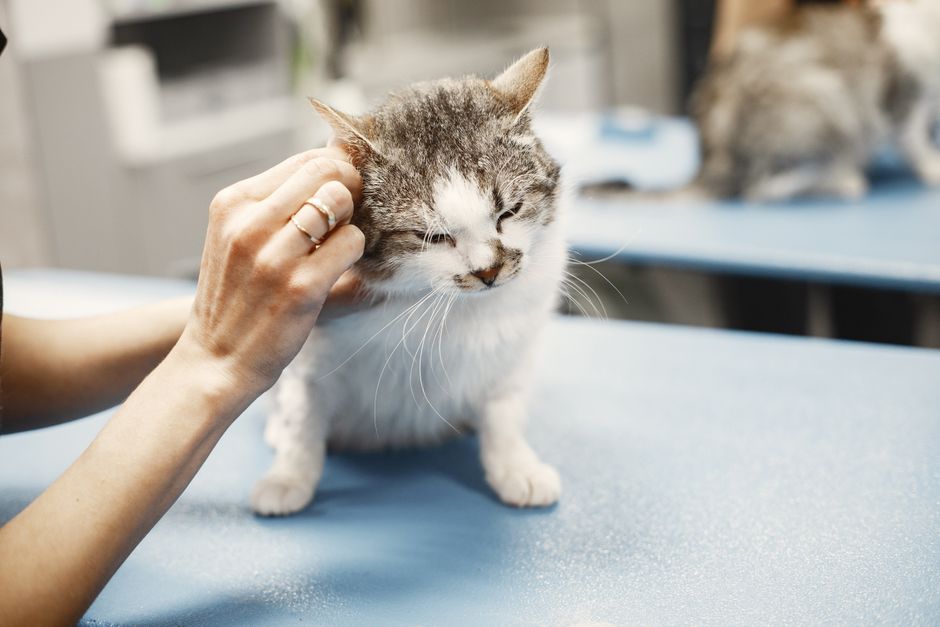
Cat Teeth Care: Expert Tips for Oakwood Pet Owners
Caring for your cat’s teeth is just as important as the rest of their health, yet dental care is often overlooked by even the most devoted pet owners. At Express Vets Oakwood, we see firsthand how dental problems can sneak up on cats and lead to discomfort or even serious health issues. Whether you have a playful kitten or a senior feline companion, understanding cat teeth care is essential for keeping your cat happy and healthy. In this guide, we’ll cover why cat dental health matters, how to spot early signs of trouble, and what you can do at home and with your veterinarian’s help to protect your cat’s smile. If you’re worried about your cat’s teeth or just looking for the best ways to keep their mouth clean, you’ll find practical, trustworthy advice right here. Our veterinary team at 3715 Mundy Mill Rd. Suite H, Oakwood, GA 30566 is dedicated to providing Oakwood and surrounding communities with comprehensive dental care and general wellness services for cats of all ages.
How to Recognize Cat Teeth Problems Early
Many pet owners only realize their cat has dental trouble when it becomes severe, but catching issues early makes treatment much easier on both you and your cat. The most common warning signs of dental disease in cats include bad breath that lingers beyond the usual “cat food smell,” visible tartar buildup ranging from yellow to brown on the teeth, and red or swollen gums that bleed easily. You might also notice your cat dropping food, chewing only on one side, pawing at their mouth, or even refusing dry kibble altogether. In some cases, subtle changes like decreased grooming, hiding more than usual, or irritability can signal dental pain even if you can’t see anything obvious.
Other signs to watch for are drooling, blood-tinged saliva, or loose teeth, especially in older cats. It’s important to remember that cats are experts at masking discomfort, so even minor changes can be significant. If you notice any of these symptoms, scheduling a wellness examination with our veterinary team can help catch problems before they become more serious.
What Causes Dental Disease in Cat Teeth?
Understanding why dental problems develop in cats can help you prevent them. Most feline dental disease starts with the same basic process seen in people: plaque, a sticky film of bacteria, forms on the teeth after meals. If plaque isn’t removed regularly—through chewing or brushing—it hardens into tartar, which is much more difficult to get rid of without professional cleaning. As tartar builds up, it pushes under the gum line and triggers inflammation, better known as gingivitis.
Over time, untreated gingivitis can advance to periodontal disease, damaging the structures that support the teeth and sometimes leading to tooth loss. Cats are also prone to a unique condition called tooth resorption, where the body breaks down the tooth from the inside out. This is a painful process and can happen even if your cat’s teeth look clean on the surface. Age, breed, diet, and overall health all play a role in how likely your cat is to develop dental problems. For instance, older cats and certain breeds like Persians may be especially prone to developing dental disease.
Professional Cat Teeth Cleaning and Treatment at Express Vets Oakwood
When your cat comes in for a dental checkup or cleaning at Express Vets Oakwood, you can expect thorough care tailored to your pet’s individual needs. Our veterinarians start with a complete oral examination to check for tartar, inflammation, tooth fractures, or any unusual growths. In some cases, dental X-rays are recommended to look for hidden problems below the gum line, such as tooth resorption or abscesses.
If a professional cleaning is needed, your cat will undergo anesthesia for their safety and comfort. This allows us to clean above and below the gum line, removing tartar and bacteria that at-home methods can’t reach. If we find damaged or loose teeth, our team will discuss treatment options, which may include extractions or special care for underlying conditions. We understand that the idea of anesthesia can be concerning for cat owners, so we are always happy to review the safety protocols and monitoring we use during every dental procedure.
Additionally, our veterinary team provides advice on specialty diets and dental products that can help maintain your cat’s oral health after a cleaning. We believe in partnering with pet owners to create a long-term plan that fits your cat’s lifestyle and health needs.
Home Care and Prevention: Keeping Cat Teeth Healthy Between Vet Visits
The best way to protect your cat’s teeth is with a combination of professional veterinary care and consistent home routines. Brushing your cat’s teeth daily is the gold standard, but even a few times a week can make a significant difference. Use a toothbrush and toothpaste made specifically for cats, as human products can be harmful. If your cat resists brushing, start slow by letting them lick cat-safe toothpaste from your finger, then gradually introduce the brush.
Dental diets and treats designed to reduce plaque can also help, as can water additives approved by your veterinarian. Chew toys and certain types of kibble encourage natural cleaning action as your cat chews, but keep in mind that these are not substitutes for brushing or professional cleanings. Regularly check your cat’s mouth for any changes, such as swelling, unusual odors, or changes in eating habits, and contact your veterinarian if you notice anything concerning.
In Oakwood and nearby areas, seasonal changes can sometimes affect your cat’s routines. For example, during the winter, cats may drink less water, which can lead to a dry mouth and increase the risk of dental problems. Keeping up with regular wellness examinations ensures that any emerging concerns are addressed early.
When Should You Schedule a Cat Teeth Checkup?
Knowing when to seek professional help is key to protecting your cat’s overall health. Schedule a veterinary visit if you notice symptoms such as persistent bad breath, red or bleeding gums, visible tartar, loose or missing teeth, drooling, or changes in eating or grooming habits. Even if your cat seems comfortable, annual dental checkups are recommended, as many dental issues develop silently.
For kittens and young cats, a dental exam during their yearly wellness visit helps establish a healthy baseline. Senior cats or those with a history of dental disease may benefit from more frequent checkups. If you’re ever unsure whether your cat’s symptoms are urgent, our team at Express Vets Oakwood is happy to advise you on the best next steps.
Booking a dental evaluation is simple and can be done online or by calling our practice. Addressing dental issues early not only prevents pain for your cat but can also avoid more complicated—and costly—treatments down the road.
Cat Teeth Care: Supporting Your Cat’s Health for Life
Your cat’s teeth play a vital role in their comfort, nutrition, and overall wellbeing. By staying alert to the signs of dental disease, practicing regular home care, and partnering with your veterinary team for professional cleanings and exams, you can help your cat enjoy a healthy mouth at every stage of life. At Express Vets Oakwood, we are committed to supporting pet owners in Oakwood and surrounding communities with compassionate, expert care.
If you are searching for a veterinarian near me who understands the unique needs of cat dental care, our experienced team is here for you. To schedule your cat’s dental checkup or discuss any concerns about your cat’s teeth, you can easily book an appointment online or call us at (678) 989-4747. For in-person visits, you’ll find us at 3715 Mundy Mill Rd. Suite H, Oakwood, GA 30566. Let’s work together to keep your cat’s teeth—and their whole body—healthy for years to come.
This blog is for informational purposes only and does not replace professional veterinary advice. Always consult your veterinarian if you have concerns about your cat’s health or dental care. For additional information on feline dental health, you can visit resources such as the American Veterinary Dental College.