Cats’ Teeth: How to Keep Your Feline’s Smile Healthy
Cats’ Teeth: How to Keep Your Feline’s Smile Healthy
As a cat owner in Oakwood, you want the very best for your feline companion—from their playful pounces to their quiet moments curled up beside you. But how often do you think about your cat’s teeth? Dental health is one of the most overlooked aspects of feline care, yet it is essential to your cat’s happiness and longevity. Here at Express Vets Oakwood, our veterinary team sees firsthand how cats’ teeth can impact their overall health, especially during Oakwood’s humid August when oral bacteria can thrive. In this blog, we will guide you through the key signs of dental disease, practical home care tips, and explain when it’s time to schedule a veterinary dental exam. Whether you’ve noticed signs of discomfort or simply want to stay ahead with preventive care, you’ll find expert advice to protect your cat’s smile and wellbeing. If you’re seeking a trusted partner for your cat’s dental health in Oakwood and surrounding communities, our team is here to help every step of the way.
Recognizing Dental Problems: When Do Cats’ Teeth Need Attention?
Cats are masters at hiding discomfort, making it challenging for owners to spot dental issues until they become serious. However, subtle changes in your cat’s daily behavior can hint at trouble brewing in their mouth. Watch for signs such as bad breath that persists even after a meal, drooling or pawing at the face, and visible tartar or discoloration on the teeth. Other indicators include reluctance to eat dry food, dropping kibble from the mouth, sudden pickiness about food, or even changes in grooming habits due to mouth pain. Sometimes, you may notice swelling around the mouth or bleeding from the gums, especially after chewing toys or treats.
During Oakwood’s humid summers, oral bacteria multiply rapidly, which increases the risk of gum infections and dental disease. Even seemingly mild symptoms can escalate, so paying close attention to your cat’s daily routines will help you catch problems early. If you observe any of these changes, it’s important to address them promptly to protect your cat’s teeth and comfort.
Common Causes of Dental Disease in Cats
Understanding what leads to dental problems can help you take proactive steps for your cat. Most feline dental disease begins with plaque—a sticky film of bacteria that forms on teeth after eating. If not removed, plaque hardens into tartar, which irritates the gums and leads to inflammation called gingivitis. Over time, this process can progress to periodontal disease, which damages the tissues supporting the teeth and may result in tooth loss.
Cats are also prone to specific dental conditions such as resorptive lesions, where the tooth structure is gradually destroyed, causing significant pain. Genetics play a role; some cats are more susceptible to gum disease regardless of their diet or home care routine. Other contributing factors include a lack of regular dental cleaning, feeding only soft or wet food, and certain viral infections that can weaken the immune system.
The warm, humid climate in Oakwood can accelerate the growth of oral bacteria, increasing the risk of dental issues for local cats. Regular veterinary checkups are essential to catch these problems before they affect your cat’s health and quality of life.
Professional Dental Care: What to Expect at Express Vets Oakwood
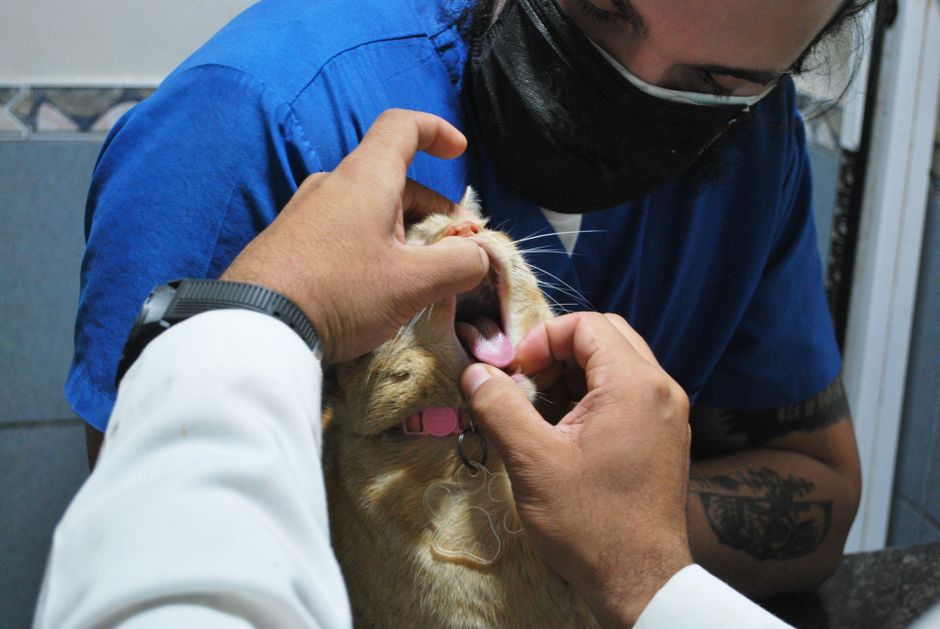
When your cat shows signs of dental discomfort or it’s time for their annual exam, scheduling a visit with our veterinary team is the best step you can take. At Express Vets Oakwood, we start with a thorough oral examination during your cat’s routine wellness examination, looking for signs of tartar, gingivitis, loose teeth, and other abnormalities.
If dental disease is detected, our veterinarians may recommend a professional dental cleaning under anesthesia. This allows us to clean above and below the gumline, remove hardened tartar, and polish the teeth to slow future plaque buildup. In cases where teeth are severely damaged or infected, extractions may be necessary to relieve pain and prevent further health complications. Our diagnostic tools, such as digital dental x-rays, help us assess the health of tooth roots and jawbones, ensuring your cat receives the most comprehensive care possible.
Throughout the process, your cat’s comfort and safety are our top priorities. We tailor anesthesia protocols and pain management plans to each patient, using the latest veterinary guidelines to minimize risk. After the procedure, our veterinarians provide detailed at-home care instructions and recommendations for ongoing dental health.
Home Dental Care: Keeping Your Cat’s Teeth Clean Between Vet Visits
While professional dental cleanings play a crucial role in maintaining cats’ teeth, what you do at home is just as important. Brushing your cat’s teeth is the gold standard; using a feline-safe toothbrush and toothpaste, aim for gentle, daily brushing. Start slowly, allowing your cat to become comfortable with the process, and reward cooperation with praise or a favorite treat. Even brushing a few times per week can make a significant difference in reducing plaque and tartar.
If brushing is not possible, dental diets approved by your veterinarian, dental treats, and water additives formulated for cats can help reduce plaque buildup. Choose dental products that carry the Veterinary Oral Health Council (VOHC) seal for proven effectiveness. Providing toys designed to promote chewing can also aid in maintaining oral health, but always supervise play to prevent accidental injury.
It’s important to remember that home care is meant to supplement, not replace, professional veterinary evaluations. Regular check-ins with your veterinarian ensure that underlying issues are caught early, and recommendations can be tailored to your cat’s individual needs.
When to Schedule a Dental Exam for Your Cat
Knowing when to seek professional help is key to preventing dental problems from escalating. You should schedule a dental exam if you notice persistent bad breath, red or swollen gums, loose or missing teeth, difficulty eating, drooling, or visible tartar. Sudden changes in eating habits, unexplained weight loss, or signs of pain when your cat yawns or grooms can also signal dental disease.
Even if your cat appears healthy, annual dental checkups are essential for early detection of problems that may not be visible at home. During these visits, our veterinary team can assess your cat’s teeth, provide tailored advice, and discuss the best timing for professional cleaning. For kittens and senior cats, dental exams may need to be more frequent, as these age groups are more vulnerable to oral health issues.
If you’re unsure whether your cat needs a dental evaluation, reaching out to our team for guidance is always a wise step. We are committed to supporting your cat’s health at every life stage and answering any questions you may have about dental care.
Why Oral Health Matters: The Link Between Cats’ Teeth and Overall Wellbeing
Dental health is closely tied to your cat’s overall wellness. Untreated dental disease doesn’t just cause mouth pain; it can lead to infections that spread to vital organs like the heart, liver, and kidneys. Chronic discomfort may also affect your cat’s appetite and behavior, leading to weight loss or changes in mood.
By prioritizing your cat’s teeth, you’re not only preventing bad breath and tooth loss, but also supporting a longer, healthier life. Regular dental care helps your cat stay active, playful, and comfortable well into their senior years. In Oakwood’s humid climate, where bacteria thrive, staying proactive with oral health is especially important.
If you want to learn more about how dental health fits into your cat’s overall preventive care, our wellness examination services provide a comprehensive approach that covers every aspect of your cat’s wellbeing.
Take Action for a Healthier Cat Smile
Caring for cats’ teeth doesn’t have to be overwhelming. By watching for subtle changes, incorporating simple home care habits, and partnering with your local veterinary team, you can protect your cat’s smile for years to come. If you notice any signs of dental discomfort or simply want to be proactive, we encourage you to schedule an appointment with Express Vets Oakwood. Our team is dedicated to providing gentle, effective dental care tailored to each unique cat.
For those searching for a compassionate and skilled “vet near me” in Oakwood, our veterinarians are here to support your cat’s health at every stage. To discuss your cat’s dental needs or book a comprehensive exam, contact us at (678) 989-4747 or visit us at 3715 Mundy Mill Rd. Suite H, Oakwood, GA 30566. Let’s work together to keep your cat’s teeth healthy and ensure a happier, brighter future for your feline companion.
This blog is intended for informational purposes only and should not replace professional veterinary advice. If your cat is experiencing pain, bleeding, or other urgent symptoms, please contact your veterinarian promptly for guidance.