Preventing Winter Pet Illnesses in Oakwood, GA

Preventing Winter Pet Illnesses in Oakwood, GA
As the winter chill settles into Oakwood and the surrounding communities, many pet owners start to worry about how the cold, damp February weather might affect their beloved dogs and cats. Even though Georgia’s winters are milder than those up north, the combination of lower temperatures, increased moisture, and unpredictable rain can bring unique health challenges for pets. At Express Vets Oakwood, located at 3715 Mundy Mill Rd. Suite H, Oakwood, GA 30566, we know how important it is for you to keep your furry companions happy and healthy all season long. In this blog, we’ll help you recognize the signs of common winter pet illnesses, explain why they happen, share how our veterinary professionals can help, and offer practical tips for prevention and comfort at home. Whether you’re concerned about sneezing, skin irritation, or a sudden lack of energy, our team is here to support you every step of the way.
If you’re ever worried about your pet’s health this winter, remember that scheduling a wellness examination with our veterinary team is one of the best ways to catch seasonal issues early and keep your pet feeling their best.
Recognizing the Signs of Winter Illnesses in Pets
Many pet owners notice subtle changes in their pets during the colder months but are unsure if these are normal or cause for concern. Recognizing the early warning signs of winter illnesses can make a big difference in how quickly your pet recovers. Common symptoms to watch for include sneezing, nasal discharge, coughing, lethargy, loss of appetite, or any new skin issues such as itching or redness. In addition to respiratory symptoms, you might also observe your pet shivering, seeking warmth more than usual, or experiencing stiffness, especially in older pets with arthritis. Cats may begin hiding more or skipping meals, while dogs can seem less interested in walks or playtime.
Other warning signs of illness include sudden vomiting, diarrhea, significant changes in thirst or urination, and signs of discomfort when moving. If your pet develops a persistent cough, labored breathing, or a fever, these are all reasons to consult a veterinarian promptly. Even subtle shifts in behavior or mood—such as increased irritability or withdrawal—can signal that your pet is not feeling their best.
Why Do Pets Get Sick in Winter? Understanding Local Risks
Winter weather in Oakwood brings its own set of challenges for pets, even if snow and ice are rare. The colder temperatures and damp conditions can suppress your pet’s immune system, making them more susceptible to respiratory infections like kennel cough or upper respiratory viruses. Dogs that frequent boarding facilities or dog parks may be exposed to contagious illnesses more easily during the winter months, when pets spend more time indoors in close quarters.
Additionally, the combination of indoor heating and outdoor cold can dry out your pet’s skin, leading to itchiness or the development of hot spots. Sudden temperature swings, drafts in the home, and extended exposure to wet or muddy conditions can further increase the risk of illness. Parasites such as fleas, ticks, and certain intestinal worms can remain active even during cooler months in Georgia, catching pet owners off guard.
Older pets or those with chronic conditions like arthritis may struggle more in winter, as the cold can stiffen joints and make existing pain worse. Short-haired breeds, very young animals, and pets with weakened immune systems are especially vulnerable to winter ailments.
How Our Veterinary Professionals Diagnose and Treat Winter Illnesses
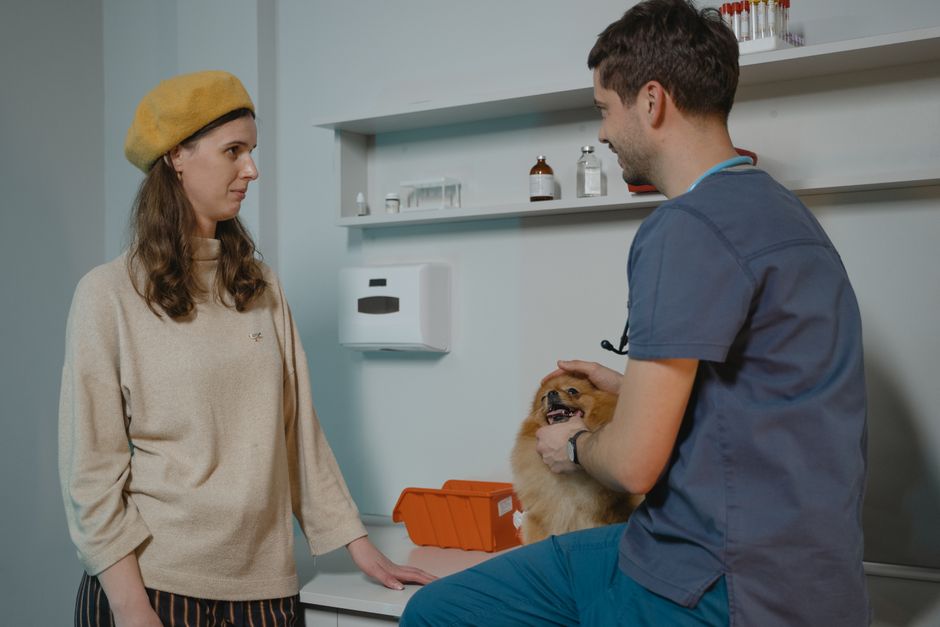
When your pet starts showing signs of illness, our veterinary team at Express Vets Oakwood is ready to help with compassionate care and thorough diagnostics. During a sick visit, our veterinarians will begin by discussing your pet’s recent symptoms, habits, and any environmental changes. A physical examination helps us assess your pet’s temperature, respiratory function, skin and coat condition, and overall demeanor.
Depending on what we find, we may recommend diagnostic testing such as bloodwork, a fecal exam, or respiratory swabs to identify infections or underlying issues. Common treatment approaches involve prescribing safe, pet-specific medications to resolve infections or relieve symptoms, providing supportive care for dehydration or fever, and recommending changes in diet or routine to promote faster recovery.
For pets with joint pain or arthritis, we may suggest pain relief options, therapeutic diets, or lifestyle modifications to help them stay comfortable through the colder months. Skin conditions are treated with medicated shampoos, topical therapies, or allergy management strategies tailored to your pet’s needs. Our primary care services are designed to address a wide range of winter illnesses, ensuring your pet receives the right treatment and ongoing support.
Keeping Your Pet Healthy: Home Care and Prevention Tips for Winter
While professional veterinary care is essential when your pet is sick, there are many steps you can take at home to help prevent common winter illnesses. Start by providing a warm, draft-free sleeping area for your pet, away from cold floors or windows. Cozy bedding, regular indoor playtime, and maintaining a consistent exercise routine help keep pets active and comfortable.
Diet is especially important during the winter, as some pets need more calories to maintain body heat, while others may require weight management to avoid winter weight gain. Ask our veterinarians about specialty diets if your pet has specific health concerns. Regular grooming removes loose fur and keeps the skin healthy, while monitoring for signs of dryness or irritation.
Parasite prevention should never be skipped in winter. Fleas, ticks, and heartworms remain active in Georgia’s climate, so be sure to continue using your veterinarian-recommended preventatives. Learn more about effective parasite prevention and control for Oakwood pets. Keeping your pet’s vaccinations up to date is another important step in protecting against contagious diseases that can circulate during the colder months. Our vaccination services are designed to provide year-round immunity for your pet’s specific needs.
When walking your dog, avoid icy patches or puddles that could cause slips or expose your pet to harmful bacteria. Always dry your pet’s paws and belly after outdoor activities to prevent skin irritation. For cats, offer extra enrichment indoors to make up for less outdoor time.
When Should You Schedule a Veterinary Visit for Winter Illnesses?
It can be difficult to know when a mild symptom requires a trip to the veterinarian. Some signs—such as a mild sneeze or a single day of low energy—may resolve on their own with rest and home care. However, if your pet’s symptoms persist beyond 24-48 hours, worsen, or include signs such as persistent coughing, labored breathing, vomiting, diarrhea, or refusal to eat or drink, it’s time to schedule an appointment with our veterinary team.
Other situations that warrant prompt attention include sudden changes in behavior, visible pain or discomfort, or the presence of blood in vomit, stool, or urine. Pets with chronic illnesses, puppies, kittens, and seniors are at higher risk for complications and should be evaluated sooner rather than later.
Our veterinarians at Express Vets Oakwood are here to help you navigate these decisions and provide guidance tailored to your individual pet. Early intervention often leads to faster recovery and fewer complications, so never hesitate to reach out if you have concerns about your pet’s health during winter.
Keeping Oakwood’s Pets Safe and Comfortable All Winter Long
Caring for your pet during the colder months doesn’t have to be overwhelming. By recognizing the early signs of winter illnesses, understanding the unique risks in Georgia’s climate, and following your veterinarian’s recommendations for prevention, you can help your dog or cat enjoy a healthy, cozy season. At Express Vets Oakwood, we’re committed to supporting pet owners in Oakwood and surrounding communities with expert care, practical advice, and ongoing partnership.
If you notice changes in your pet’s health or need guidance on winter wellness, our veterinary team is ready to help. Schedule your next wellness examination, update your pet’s vaccinations, or ask about parasite prevention strategies that work for your household. When you’re searching for a veterinarian near me, trust that our experienced team delivers compassionate, thorough care right here in your neighborhood.
To book an appointment or speak with our veterinary professionals about your pet’s winter health, call us at (678) 989-4747 or visit our clinic at 3715 Mundy Mill Rd. Suite H, Oakwood, GA 30566. We look forward to helping your pet thrive—no matter what the weather brings.
This blog is for educational purposes only and does not replace professional veterinary care. Always consult with your veterinarian regarding any concerns about your pet’s health. For more information on winter pet care, visit the American Veterinary Medical Association at https://www.avma.org/resources/pet-owners/petcare/cold-weather-animal-safety.