Protecting Oakwood Pets From Fleas and Ticks This Fall

Protecting Oakwood Pets From Fleas and Ticks This Fall
As the leaves begin to change and temperatures drop in Oakwood, many pet owners start to wonder if the threat of fleas and ticks fades with the summer heat. The reality is that fall remains a prime season for parasites, and both dogs and cats are at risk of picking up these unwanted hitchhikers during their outdoor adventures or even from other animals in your neighborhood. At Express Vets Oakwood, our team of veterinarians sees a steady stream of flea and tick cases well into November, and we know how quickly a small problem can turn into a major headache for you and your four-legged family members.
In this post, we will help you recognize the signs of flea and tick problems, explain why these pests are still active in cooler weather, and share effective prevention strategies to keep your dog or cat comfortable and healthy all season long. If you suspect your pet is dealing with fleas or ticks, our clinic at 3715 Mundy Mill Rd. Suite H, Oakwood, GA 30566 is here to provide expert care and guidance. You can also learn more about our dedicated parasite prevention and control services designed to protect Oakwood pets year-round.
How to Recognize Flea and Tick Problems in Your Pet
Spotting a flea or tick infestation early can make a big difference in your pet’s comfort and the ease of treatment. Common signs of flea problems in dogs and cats include frequent scratching, biting, or licking at the skin, especially around the tail, neck, and belly. You might also notice small, dark specks in your pet’s fur—often referred to as "flea dirt"—which is actually flea waste. Some pets develop red, irritated skin or even patches of hair loss due to allergic reactions to flea saliva.
Ticks can be harder to spot since they attach firmly to the skin and often hide in less visible areas such as between the toes, behind the ears, or under the collar. After outdoor activities or walks in wooded areas, it is wise to run your hands gently over your pet’s body to check for any unusual lumps. Ticks can cause local irritation, but more importantly, they are known to transmit serious diseases such as Lyme disease and ehrlichiosis. If your pet seems lethargic, has a reduced appetite, or develops unexplained fevers after a tick bite, these may be warning signs of a tick-borne illness.
Why Fleas and Ticks Are Still a Threat in Fall
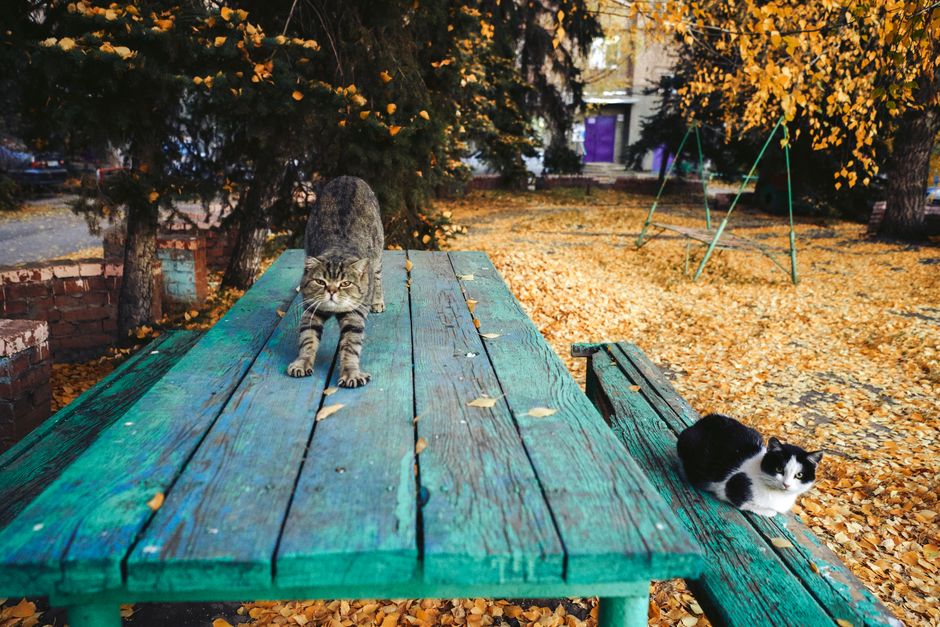
Many pet owners believe that flea and tick season ends with summer, but in Oakwood and surrounding communities, these pests can remain active well into the fall. Fleas thrive in the mild, humid climate that often persists during autumn months. Fallen leaves and organic debris create perfect hiding spots for flea larvae in your yard, while ticks are known to seek out hosts before winter arrives.
Additionally, fleas can survive indoors throughout the year, especially in carpeted areas, bedding, and upholstery. They lay eggs that can hatch weeks later, leading to ongoing infestations even if your pet spends most of their time inside. Ticks are especially prevalent in wooded or grassy areas, and both dogs and cats can bring them inside after outdoor exploration. For this reason, consistent year-round protection is essential to safeguard your pet’s health.
Treatment and Professional Management of Flea and Tick Infestations
If you suspect your pet has a flea or tick problem, prompt action is key. Our veterinarians at Express Vets Oakwood will begin with a thorough wellness examination to assess the extent of the infestation and check for any signs of related complications such as skin infections, allergic reactions, or anemia. For pets with severe itching or skin irritation, our veterinary dermatology services offer targeted relief and support for underlying skin conditions caused by parasites.
Treatment options often include safe, veterinarian-recommended topical or oral medications that eliminate fleas and ticks quickly. It is important to treat all pets in your household and address the environment as well, since flea eggs and larvae can linger in carpets, bedding, and furniture. In some cases, additional medications or medicated shampoos may be recommended to soothe irritated skin or manage secondary infections. For pets experiencing illness or more severe symptoms, we may recommend a sick visit to provide a more comprehensive diagnostic workup and ensure your pet receives the right care.
Preventing Fleas and Ticks at Home This Fall
Prevention remains the best strategy for keeping your dog or cat free from fleas and ticks. Start by using a veterinarian-approved preventive product every month, even during fall and winter. Our team can help you select the most effective and safest option for your pet’s age, weight, and health status. Consistent prevention not only stops infestations before they start, but it also lowers the risk of disease transmission.
Regularly washing your pet’s bedding, vacuuming carpets and furniture, and keeping your yard free of leaf litter and tall grass can also help reduce the risk of infestation. After walks or outdoor play, inspect your pet’s coat for any signs of ticks or fleas, paying close attention to hidden areas like ears, armpits, and around the tail. If your pet has a thick or long coat, consider more frequent grooming or brushing to catch early signs of parasites.
Annual or bi-annual checkups at your veterinarian’s office are another important step, as these visits allow for early detection of any parasite problems and the opportunity to review your prevention plan. Our parasite prevention and control services are designed to make this process simple and effective for Oakwood families.
When to Schedule a Veterinary Visit for Flea or Tick Issues
If your pet is persistently scratching, losing fur, or you have found fleas or ticks on their body, it is important to schedule an appointment with your veterinarian as soon as possible. Professional veterinary care is especially important if your dog or cat is showing signs of allergic reactions, such as red or swollen skin, or if you notice symptoms like fever, lethargy, or loss of appetite that might indicate a tick-borne illness. Early intervention can prevent more serious complications and help your pet return to their normal, happy self quickly.
Occasionally, home remedies or over-the-counter treatments may not be effective or could even cause harm, especially if not chosen carefully for your pet’s specific needs. Our veterinary team can recommend safe, proven options and provide guidance for treating your home environment if necessary. If you are ever unsure about the best course of action, reaching out for a wellness examination or sick visit ensures your pet receives expert attention tailored to their individual health status.
Keeping Oakwood Pets Safe From Parasites: Your Next Steps
Fleas and ticks are more than just a nuisance—they pose real risks to your dog or cat’s comfort and health throughout the fall and beyond. By staying vigilant for symptoms, maintaining a consistent prevention routine, and scheduling regular checkups at Express Vets Oakwood, you are taking important steps to protect your furry family members. Our veterinarians are passionate about providing personalized care and clear advice to pet owners in Oakwood and surrounding communities.
If you are searching for a vet near me who understands the unique challenges of fall parasite prevention, our team at Express Vets Oakwood is ready to help. To schedule an appointment or discuss the best flea and tick prevention plan for your pet, call us at (678) 989-4747 or visit 3715 Mundy Mill Rd. Suite H, Oakwood, GA 30566. You can also learn more about our parasite prevention and control services and wellness examinations for comprehensive protection. We look forward to helping your pet enjoy a happy, healthy fall season here in Oakwood.
This blog is intended for educational purposes only and does not replace professional veterinary advice. If you have concerns about your pet’s health, always consult directly with your veterinarian.