When Does Cat Itching or Sores Need Vet Care?
When Does Cat Itching or Sores Need Vet Care?
If you’ve noticed your cat scratching more than usual or developing skin sores, you’re not alone—itchy skin is a common concern for many pet owners, especially as warmer weather brings fleas, allergies, and more outdoor activity. But can you explain knowing when a cat’s itching or sores need veterinary care in simple terms? At Express Vets Oakwood, our veterinary team understands how confusing it can be to decide when home care is enough and when it’s time to schedule an appointment. In this guide, we’ll break down the warning signs to watch for, what causes skin issues in cats, safe home remedies, and exactly when to seek help from your trusted Oakwood veterinarians. Whether you’re in Oakwood or one of the surrounding communities, our goal is to help you keep your cat comfortable, healthy, and itch-free this season.
Recognizing When Cat Itching or Sores Are a Problem
It’s normal for cats to groom and scratch occasionally, but persistent itching, hair loss, or open sores signal a bigger issue. Can you explain knowing when a cat’s itching or sores need veterinary care in simple terms? Start by watching for patterns: Does your cat scratch the same spot until the skin is raw? Are there bald patches, scabs, or areas of red, inflamed skin? Typical signs that suggest your cat’s itchiness is more than just a minor annoyance include constant scratching or licking, sores that don’t heal, patchy hair loss, skin that feels hot or looks swollen, or even a change in your cat’s mood—like hiding, acting irritable, or losing interest in food and play. These symptoms can develop quickly and may get worse if left untreated.
Cats often hide discomfort, so subtle changes in grooming habits or the appearance of small scabs can be early warning signs. If you notice your cat grooming excessively, leaving tufts of fur around the house, or developing crusty or moist patches on the skin, it’s time to pay closer attention. In some cases, recurring ear infections, sneezing, or watery eyes can point to underlying allergies or skin sensitivities that need professional care.
Common Causes of Itching and Sores in Cats
Understanding why your cat is itchy can help you know when to worry and when to try simple home remedies. The most frequent causes of cat itching and skin sores include fleas or other external parasites, environmental or food allergies, skin infections (either bacterial or fungal), and sometimes underlying medical conditions like hormonal imbalances or autoimmune disorders.
Fleas are a leading cause, especially during the warm, humid months in Oakwood and the surrounding area. Even indoor cats can be affected, as fleas may hitch a ride inside on shoes or other pets. Some cats are so sensitive to flea saliva that even a single bite can trigger intense itching and open sores—a condition known as flea allergy dermatitis. Other parasites, like mites or lice, are less common but still possible.
Allergies are another major culprit. Cats can develop sensitivities to pollen, dust, cleaning products, or even their food. Symptoms often appear as itching around the head, neck, and ears, but can affect any part of the body. Infections may develop secondarily when cats scratch or lick irritated skin, allowing bacteria or yeast to enter. Less commonly, ringworm—a contagious fungal infection—can cause circular patches of hair loss and scaly skin. Finally, underlying health problems such as thyroid disease or immune disorders can cause chronic skin issues, especially in older cats.
Professional Treatment Options for Cat Skin Problems
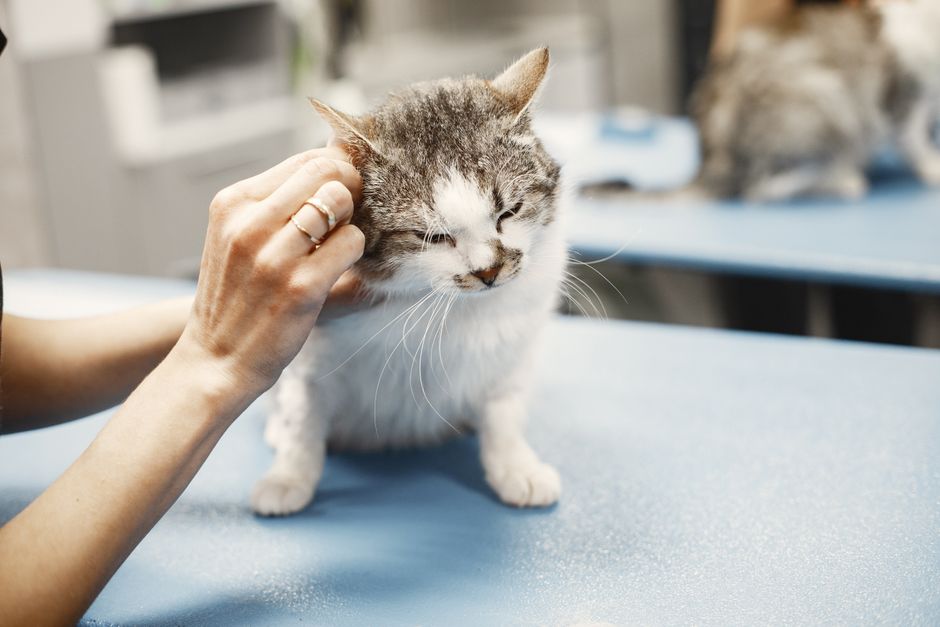
If your cat’s itching or sores aren’t improving, seeking help from a veterinary team is the best step. At Express Vets Oakwood, we begin with a thorough skin and coat examination, carefully checking for signs of parasites, infection, or allergy. Diagnostic tests may include skin scrapings, fungal cultures, or blood work, depending on your cat’s symptoms and history.
Treatment approaches involve addressing the underlying cause. For flea or mite infestations, safe and effective parasite prevention is essential; our team can recommend the best products for your cat’s lifestyle. If allergies are suspected, we may suggest allergy testing services for pets to identify specific triggers and tailor treatment. Managing allergies often includes a combination of dietary changes, environmental adjustments, and sometimes medications to control itching and inflammation.
Skin infections are typically managed with topical or oral medications, such as antibiotics or antifungal treatments, depending on the type of infection. If your cat has developed deep sores or abscesses, gentle cleaning and wound care may be needed. Our dermatology services for pets are designed to address even stubborn or recurring skin problems, ensuring your cat receives the most up-to-date care.
For cats with complex or chronic skin conditions, our veterinarians may recommend ongoing management strategies, including regular check-ups and preventive care to keep your cat’s skin healthy year-round.
Safe Home Care and Prevention Tips
While some mild itching can be managed at home, it’s important to use safe, cat-approved methods. Steps you can take include maintaining a consistent flea prevention routine, using veterinarian-recommended products, and regularly brushing your cat to remove loose hair and check for skin changes. Keeping your cat’s bedding and environment clean, vacuuming frequently, and washing soft furnishings can help minimize allergens and parasites.
For cats with known allergies, try to identify and reduce exposure to triggers. If you suspect a food allergy, never change your cat’s diet suddenly or without guidance from your veterinarian, as this can cause digestive upset. Instead, ask about safe hypoallergenic diets or elimination trials under veterinary supervision.
Avoid using over-the-counter creams or medications intended for people, as many human products are toxic to cats. If your cat has a minor scratch or sore, gently clean the area with saline solution and monitor for healing. If the area gets worse, doesn’t improve after a couple of days, or if your cat seems distressed, professional care is needed.
Preventing skin issues also means scheduling regular wellness examinations for your cat. These visits help catch early signs of skin disease, adjust parasite prevention as needed, and keep vaccinations up-to-date—important steps for protecting your cat’s overall health.
When Does Cat Itching or Sores Need Vet Care? Simple Signs to Watch For
So, can you explain knowing when a cat’s itching or sores need veterinary care in simple terms? The answer is to watch for persistent symptoms or anything out of the ordinary. Seek veterinary care if your cat’s itching is constant, if you spot open sores, scabs, or bald patches, or if the skin looks red, swollen, or hot to the touch. Additional warning signs include sudden changes in behavior—such as hiding, aggression, or loss of appetite—and any wounds that are bleeding, oozing, or not healing after a few days.
If you’ve tried home care and your cat’s symptoms aren’t improving, or if you’re unsure about the cause, it’s always safest to consult your veterinarian. Skin issues can escalate quickly, especially in cats who are prone to stress-related overgrooming or have underlying health concerns. If you’re in Oakwood or the surrounding communities and are searching for a "vet near me," our veterinary team is here to help you navigate your cat’s skin health with confidence and compassion.
Compassionate Care for Your Cat’s Skin at Express Vets Oakwood
Your cat’s comfort and wellbeing matter to us, and we know how overwhelming it can feel to see them suffer with constant itching or skin sores. The best way to protect your cat is to stay alert to changes, practice preventive care, and know when to seek expert help. If you have any doubts about your cat’s skin, don’t hesitate to reach out—early intervention can prevent small issues from becoming big problems.
Our experienced veterinarians at Express Vets Oakwood are dedicated to providing gentle, thorough care for every feline patient. Whether your cat needs a routine skin evaluation, advanced dermatology services for pets, or help managing allergies, we’re ready to support you every step of the way. Schedule an appointment at our convenient 3715 Mundy Mill Rd. Suite H, Oakwood, GA 30566 location, or call (678) 989-4747 to speak with our veterinary team.
If you’re still wondering, can you explain knowing when a cat’s itching or sores need veterinary care in simple terms, remember this: When in doubt, reach out. Our Oakwood veterinary team is here to answer your questions and help your cat feel their best all year long.