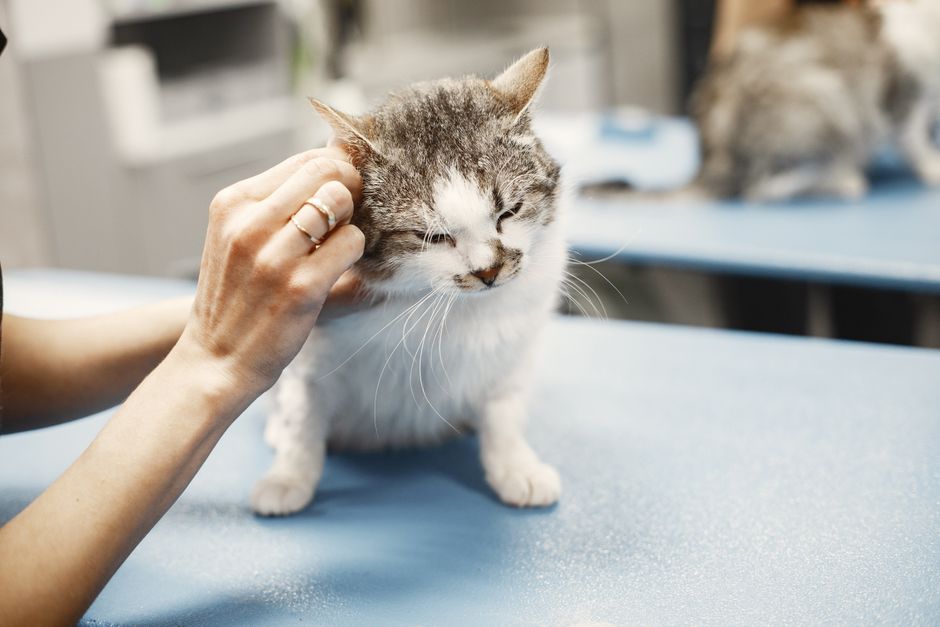
When to Seek Vet Care for Digestive Symptoms in Pets

When to Seek Vet Care for Digestive Symptoms in Pets
Digestive problems are one of the most common reasons pet owners seek veterinary advice. If your dog or cat is dealing with vomiting, diarrhea, loss of appetite, or a sudden change in bathroom habits, you are likely wondering, "How can I tell whether I need professional help with knowing when digestive symptoms need veterinary care?" At Express Vets Oakwood, located at 3715 Mundy Mill Rd. Suite H, Oakwood, GA 30566, we understand how concerning it is to see your beloved pet feeling unwell and not knowing whether the issue is minor or a sign of something more serious. This blog will help you recognize the signs that require veterinary attention, understand possible causes, and learn how to support your pet at home while knowing when it is time to schedule an appointment with our veterinary team.
You will discover common digestive symptoms in dogs and cats, what might be causing them, what you can do at home, and—most importantly—how to decide when your pet needs to be seen by a veterinarian. We will also walk you through what to expect at a sick visit and how our team at Express Vets Oakwood serves Oakwood and surrounding communities with compassionate, comprehensive care.
Recognizing Digestive Symptoms in Dogs and Cats
Digestive issues can appear in various ways, and some are more urgent than others. Knowing which symptoms are mild and which may signal a more serious problem is essential for every pet owner. Common signs of digestive upset include vomiting, diarrhea, soft or unusually hard stools, flatulence, noisy stomach sounds, abdominal discomfort, and loss of appetite. Other symptoms you may notice are sudden changes in bathroom frequency, straining when defecating, or finding blood or mucus in your pet's stool. Sometimes, dogs or cats will become lethargic or withdrawn, drink less water, or seem uncomfortable after eating.
While a single episode of mild vomiting or diarrhea can sometimes resolve on its own—especially if your pet is otherwise acting normally—persistent symptoms, repeated episodes, or any sign of dehydration can indicate a more serious problem. As a pet owner, it is natural to ask, "How can I tell whether I need professional help with knowing when digestive symptoms need veterinary care?" If you are ever unsure, our team at Express Vets Oakwood encourages you to reach out for guidance.
Causes of Digestive Problems in Pets
Many factors can disrupt your dog or cat’s gastrointestinal tract. Dietary indiscretion is one of the most common causes, such as eating table scraps, garbage, or an unfamiliar treat. Sudden food changes, spoiled food, or consuming foreign objects can also lead to upset stomachs. Parasites like roundworms or giardia, viral or bacterial infections, and food allergies or intolerances are frequent culprits, especially in younger pets or those who spend time outdoors.
Underlying illnesses, such as pancreatitis, kidney or liver disease, or chronic inflammatory bowel disease, can also manifest as digestive symptoms. Stress, anxiety, or sudden changes in the home environment may trigger gastrointestinal upset in sensitive dogs or cats. In senior pets, digestive signs may even point to more serious conditions such as cancer or organ dysfunction.
Understanding the underlying reason for your pet’s symptoms is crucial for effective treatment. When you bring your pet in for a wellness examination or sick visit, our veterinarians use a combination of medical history, physical examination, and diagnostic tests to determine the cause and recommend the best path forward.
What to Expect During a Veterinary Visit for Digestive Symptoms
If your pet is experiencing ongoing digestive issues, the first step is to schedule an appointment with our team of veterinarians. During your visit, we will review your pet’s diet, lifestyle, recent exposures, and medical history. The physical examination focuses on hydration status, abdominal pain, body condition, and signs of systemic illness.
Diagnostic testing is often recommended for persistent or severe symptoms. This may include fecal analysis to check for parasites, bloodwork to assess organ function, or imaging such as X-rays if a foreign object or blockage is suspected. Our on-site diagnostic laboratory allows us to run many tests quickly, ensuring prompt answers and timely treatment decisions.
Treatment approaches vary based on the cause and severity of your pet’s symptoms. Mild cases may benefit from a short period of fasting, gradual reintroduction of a bland diet, and fluids to prevent dehydration. More serious cases may require prescription medications, hospitalization for intravenous fluids, or specialized nutritional support. In some situations, your pet may need a specialty diet tailored to their specific health needs.
Throughout the process, our veterinary team will keep you informed, answer all your questions, and provide a clear treatment plan to help your pet recover comfortably and safely.
At-Home Care and Prevention for Digestive Upset
While some digestive issues are unavoidable, many can be prevented with a few simple habits. Feeding your dog or cat a consistent, high-quality diet and avoiding sudden changes in food can protect against upset stomachs. It is best to keep table scraps, leftovers, and unfamiliar treats out of reach, especially from pets known for their curiosity. Make sure garbage cans are secure, and avoid giving bones, fatty foods, or items that may splinter or cause blockages.
Provide plenty of fresh water at all times and monitor your pet’s intake, as dehydration can develop quickly with vomiting or diarrhea. Regular deworming and parasite prevention, as well as routine wellness examinations, help catch problems early and keep your pet’s digestive system healthy. For pets with known food sensitivities or allergies, sticking to a prescribed specialty diet can minimize flare-ups.
If your dog or cat has a history of dietary indiscretion, consider providing puzzle feeders or engaging toys to keep them occupied and less likely to scavenge. For anxious pets, maintaining a routine and reducing environmental stress can help prevent stress-related digestive upset.
How Can I Tell Whether I Need Professional Help with Knowing When Digestive Symptoms Need Veterinary Care?
Deciding when to seek veterinary care can be challenging, especially when some digestive symptoms seem mild at first. Key warning signs that mean your pet should be seen as soon as possible include persistent vomiting or diarrhea lasting more than 24 hours, blood in the vomit or stool, refusal to eat or drink, signs of pain or bloating, and any sign of lethargy or collapse. Puppies, kittens, senior pets, and those with chronic medical conditions are at higher risk for complications and should be evaluated promptly if digestive symptoms arise.
If you find yourself asking, "How can I tell whether I need professional help with knowing when digestive symptoms need veterinary care?"—it is always safer to err on the side of caution. Our veterinary professionals at Express Vets Oakwood are here to help you determine the best course of action for your pet. If you are noticing concerning symptoms, schedule a sick visit so we can provide the care your dog or cat needs.
Why Early Veterinary Attention Matters
Prompt evaluation and treatment can prevent minor digestive issues from becoming more serious. Dehydration, electrolyte imbalances, and underlying diseases can progress quickly in pets, so timely intervention is critical. Early care also means less stress for your pet and greater peace of mind for you.
Our veterinary team is dedicated to supporting you through every step, from the first phone call to follow-up care after your visit. We are proud to serve Oakwood and surrounding communities with trusted, compassionate service tailored to each pet’s unique needs.
When to Search for a Veterinarian Near Me
If you are searching for a "vet near me" because your dog or cat is experiencing digestive problems, Express Vets Oakwood is here to help. Our team of veterinarians is committed to providing clear answers and effective treatment for digestive concerns, so your pet can return to feeling their best.
Take the Next Step for Your Pet’s Digestive Health
If you are still wondering, "How can I tell whether I need professional help with knowing when digestive symptoms need veterinary care?"—do not wait for symptoms to worsen. Schedule an appointment with our compassionate veterinary professionals at Express Vets Oakwood. You can find us at 3715 Mundy Mill Rd. Suite H, Oakwood, GA 30566, or call us at (678) 989-4747 to discuss your concerns or book a wellness examination or sick visit. Our veterinary team is dedicated to helping you make the best decisions for your pet’s health and comfort.
Remember, when digestive symptoms arise, a timely visit to a trusted "veterinarian near me" can make all the difference. Reach out to Express Vets Oakwood for expert guidance, personalized care, and peace of mind for you and your cherished pet.